
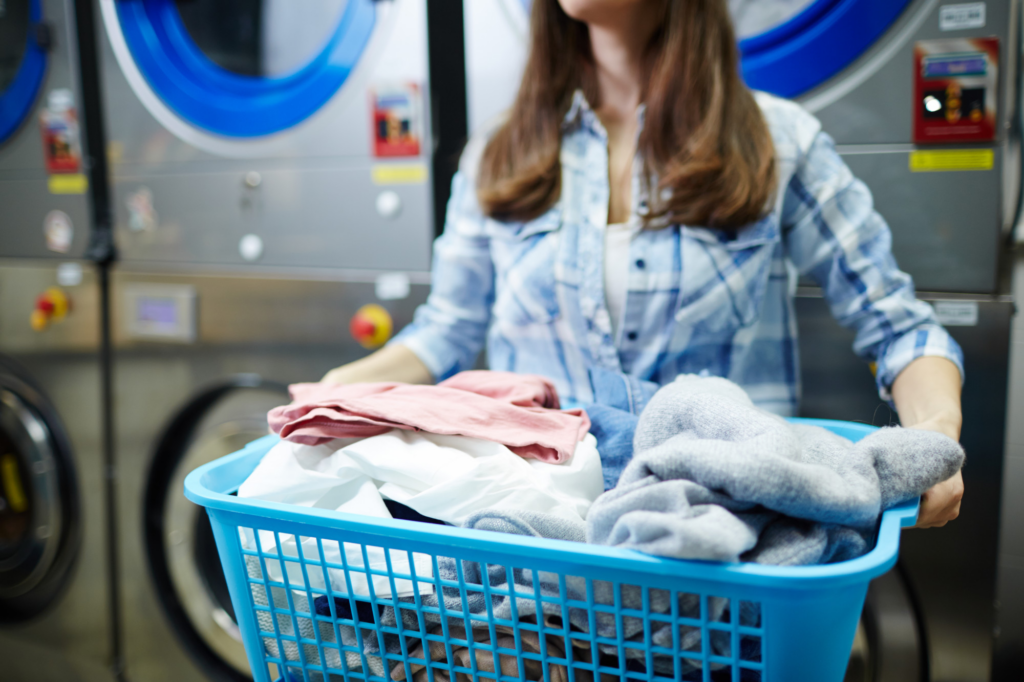
A laundry or dry-cleaning business handles hundreds or even thousands of garments every month. Shirts, trousers, suits, sarees, jackets, blankets, curtains, and other items move through different stages before they are returned to customers Garment Loss.
With increasing order volumes, one of the biggest operational challenges is keeping track of every garment accurately Garment Loss.
A misplaced garment can lead to customer complaints, refunds, compensation, negative reviews, and loss of trust. For a growing laundry business, even a small number of such incidents can become expensive Garment Loss.
This is where a structured laundry management system can make a major difference Garment Loss.
Fabklean helps laundry and dry-cleaning businesses organize their orders and operations digitally, giving staff better visibility and reducing dependence on manual records.
Why Garment Tracking Is Important
Unlike a typical retail business, a laundry business temporarily takes possession of items that belong to customers.
This creates a responsibility to ensure that every garment:
- Is received correctly
- Is associated with the right customer
- Goes through the required service
- Remains identifiable during processing
- Is packed with the correct order
- Is returned to the correct customer
When these steps are managed manually, mistakes become easier to make.
A proper tracking process creates accountability throughout the order lifecycle.
Common Reasons Garments Get Lost or Misplaced
Garment-related problems can happen for several reasons.
1. Manual Record Keeping
Handwritten registers can be difficult to maintain when order volumes increase.
Information may be:
- Written incorrectly
- Difficult to read
- Accidentally skipped
- Misplaced
- Difficult to locate later
Digital records provide a much more organized alternative.
2. Similar-Looking Garments
Laundry businesses often process multiple garments that look almost identical.
For example, two customers may submit similar:
- White shirts
- Black trousers
- School uniforms
- Towels
- Bedsheets
Without proper order identification, separating these items can become difficult.
3. Multiple Processing Stages
A garment may pass through several stages:
Collection → Sorting → Washing → Drying → Ironing → Quality Check → Packing → Delivery
Every additional stage creates another opportunity for an item to be misplaced.
A structured workflow makes it easier to identify where an order currently is.
How Digital Order Management Helps
A laundry management system creates a digital record for each customer order.
Instead of relying completely on physical registers, employees can access organized information about the order.
This can include:
- Customer details
- Order information
- Services selected
- Number of garments
- Order status
- Payment information
- Delivery information
Having this information readily available makes daily operations more manageable.
1. Create a Unique Order Record
Every order should have a clear identity.
When a customer submits garments, the business can create a digital order record.
This provides staff with a reference point throughout the processing cycle.
Instead of asking:
“Whose clothes are these?”
employees can refer to the associated order information.
2. Reduce Dependence on Memory
Employees should not have to remember which garments belong to which customers.
As order volume increases, relying on memory becomes increasingly risky.
A digital system provides a centralized reference that staff can use whenever they need order information.
This reduces confusion, especially during busy periods.
3. Organize Orders by Status
Orders can be organized according to their current stage.
For example:
- New
- Received
- Processing
- Ready
- Packed
- Out for delivery
- Completed
This gives staff a clearer picture of pending work.
It also helps identify orders that may have been sitting at a particular stage longer than expected.
4. Improve Sorting and Processing
Sorting is one of the most important steps in laundry operations.
Garments need to be separated according to factors such as:
- Customer order
- Service type
- Fabric
- Color
- Processing requirements
A structured order system makes it easier for staff to refer back to the correct order information while processing garments.
5. Reduce Packing Errors
The final packing stage is particularly important.
A customer may have submitted several different garments, and each item needs to be returned correctly.
Packing the wrong garments into an order can lead to:
- Customer complaints
- Reprocessing
- Additional delivery costs
- Refunds
- Loss of trust
Checking the digital order information before completing the order can help reduce such mistakes.
6. Improve Customer Service When an Issue Occurs
Even with good processes, mistakes can sometimes happen.
When a customer reports a missing or incorrect garment, staff need to investigate quickly.
A centralized order record can make this process easier by providing access to relevant order information.
Instead of searching through multiple notebooks or spreadsheets, staff can work from a structured digital record.
Faster investigation can also lead to faster customer resolution.
7. Improve Accountability
A digital workflow can create greater operational accountability.
When orders are properly recorded and their status is maintained, management gets better visibility into the process.
This can help identify recurring problems such as:
- Frequent delays
- Packing mistakes
- Processing bottlenecks
- High-error stages
- Staff workflow issues
The goal isn’t simply to find mistakes after they happen. It is to identify patterns and improve the process.
8. Handle High Order Volumes More Effectively
A small laundry shop may be able to manage orders manually.
However, when the business starts processing hundreds of orders, manual tracking becomes increasingly difficult.
More orders mean more possibilities for:
- Misplacement
- Duplicate entries
- Incorrect billing
- Delayed processing
- Wrong packing
Digital order management provides a more scalable way of handling increased volume.
9. Improve Pickup and Delivery Accuracy
Garment tracking doesn’t end when processing is completed.
The correct order must reach the correct customer.
For pickup and delivery businesses, staff need to know:
- Which orders are ready
- Which orders are pending
- Which customer the order belongs to
- Where the order needs to be delivered
- Which orders have already been completed
Better order organization makes delivery coordination easier.
10. Reduce Financial Losses
Garment loss can directly affect profitability.
A business may have to deal with:
- Refunds
- Compensation
- Re-cleaning
- Additional transportation
- Customer acquisition costs
- Negative reviews
Preventing these incidents is generally more cost-effective than dealing with them afterward.
Better operational control therefore contributes not only to customer satisfaction but also to financial performance.
11. Build Customer Trust
Customers hand over valuable personal belongings to laundry businesses.
They expect the business to return everything safely and on time.
Consistent garment handling demonstrates professionalism.
When customers experience:
- Accurate orders
- Reliable delivery
- Fewer mistakes
- Clear communication
- Consistent service
they are more likely to trust the business with future orders.
12. Why Manual Systems Become Difficult to Scale
Manual systems aren’t necessarily problematic when order volumes are very low.
The problem appears when the business grows.
Imagine handling:
20 orders per day
compared with:
200 orders per day.
The same manual process becomes much harder to maintain at the second level.
More customers require more structured processes.
This is one of the main reasons growing laundry businesses move toward specialized management software.
How Fabklean Helps Laundry Businesses Stay Organized
Fabklean provides a centralized platform for managing important areas of laundry and dry-cleaning operations.
By organizing customer and order information digitally, businesses can improve visibility across their workflows.
Fabklean can help businesses manage areas such as:
- Customer records
- Orders
- Billing
- Payments
- Inventory
- Operations
- Pickup and delivery
- Business reporting
The objective is to reduce unnecessary manual work while giving owners and staff better control over day-to-day operations.
Best Practices to Prevent Garment Loss
Software is only one part of an effective garment-tracking process. Businesses should also establish clear operational procedures.
Some useful practices include:
Standardize Order Intake
Make sure every incoming order is recorded properly before processing begins.
Separate Orders Clearly
Avoid mixing garments from different customer orders during processing.
Maintain Consistent Workflows
Employees should follow the same process for receiving, processing, packing, and dispatching orders.
Check Before Dispatch
Verify the order before handing it over for pickup or delivery.
Train Employees
Every employee should understand the importance of accurate garment handling.
Use Digital Records
Maintain centralized information rather than relying entirely on paper registers.
The Long-Term Benefit of Better Garment Tracking
Better garment tracking provides benefits beyond preventing lost clothes.
It can help a business achieve:
- Fewer customer complaints
- Lower operational losses
- Better employee coordination
- Faster order processing
- Improved customer satisfaction
- Better business visibility
- Stronger customer retention
In other words, a better tracking system can improve both the customer experience and business efficiency.
Conclusion
Garment loss and misplaced orders can become serious problems as a laundry business grows. Manual registers, memory-based processes, and disconnected spreadsheets make it harder to maintain accurate control over thousands of garments.
A specialized laundry management system provides a more structured approach.
By organizing customer information, orders, processing stages, payments, and delivery details, businesses can reduce avoidable mistakes and improve operational visibility.
Fabklean helps laundry and dry-cleaning businesses move from fragmented manual tracking toward a more organized digital workflow.
When every order is properly recorded and every stage is easier to monitor, businesses can reduce losses, improve customer trust, and build a more reliable laundry operation.
:::